
recorded violent crime rates in neighborhoods during LEGACY unit operation
Proven in Buffalo
complaint rate on LEGACY units
Field results from LEGACY unit deployments with the Buffalo Police Department.
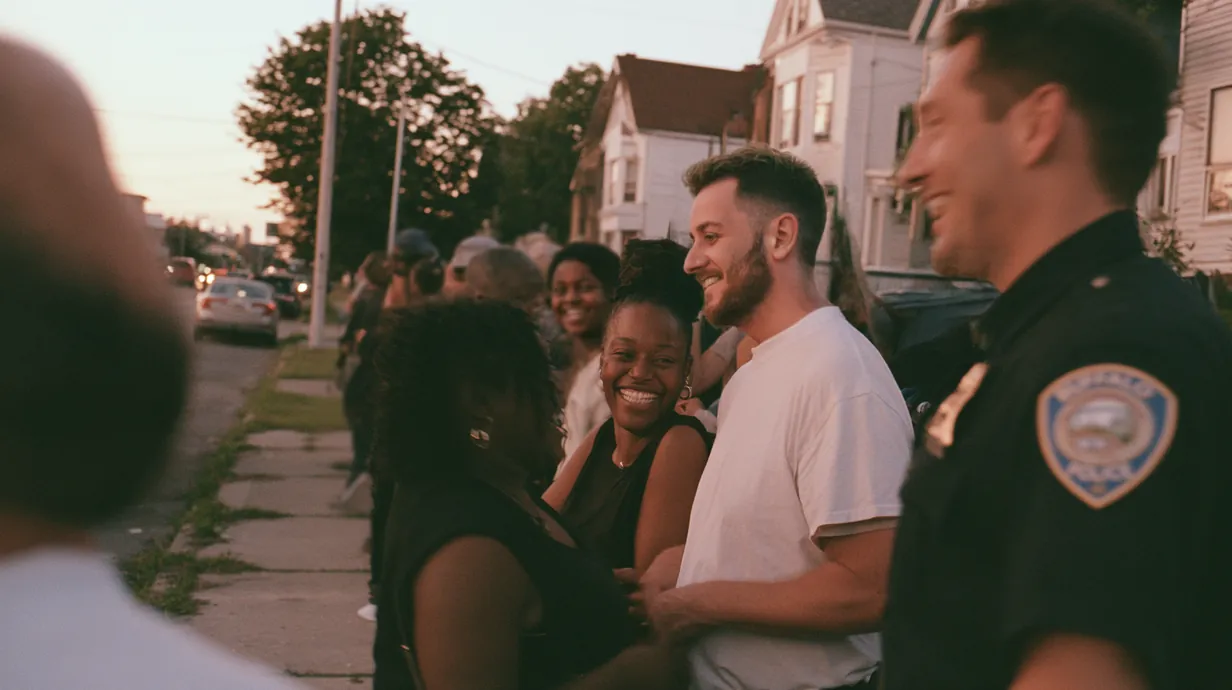
The problem
American policing has lost its connection to the people it serves.
Car-centric patrol stripped officers out of the neighborhoods they’re sworn to protect. Communities now encounter their police only at the worst moments. Officers carry the weight of a job that has become a national debate instead of a local craft. Department leadership inherits decades of accumulated distrust and a 24-month window to do something about it.
The fix is not federal. It’s not academic. It’s local, walkable, and almost entirely about who is on which corner, doing what, with whom.
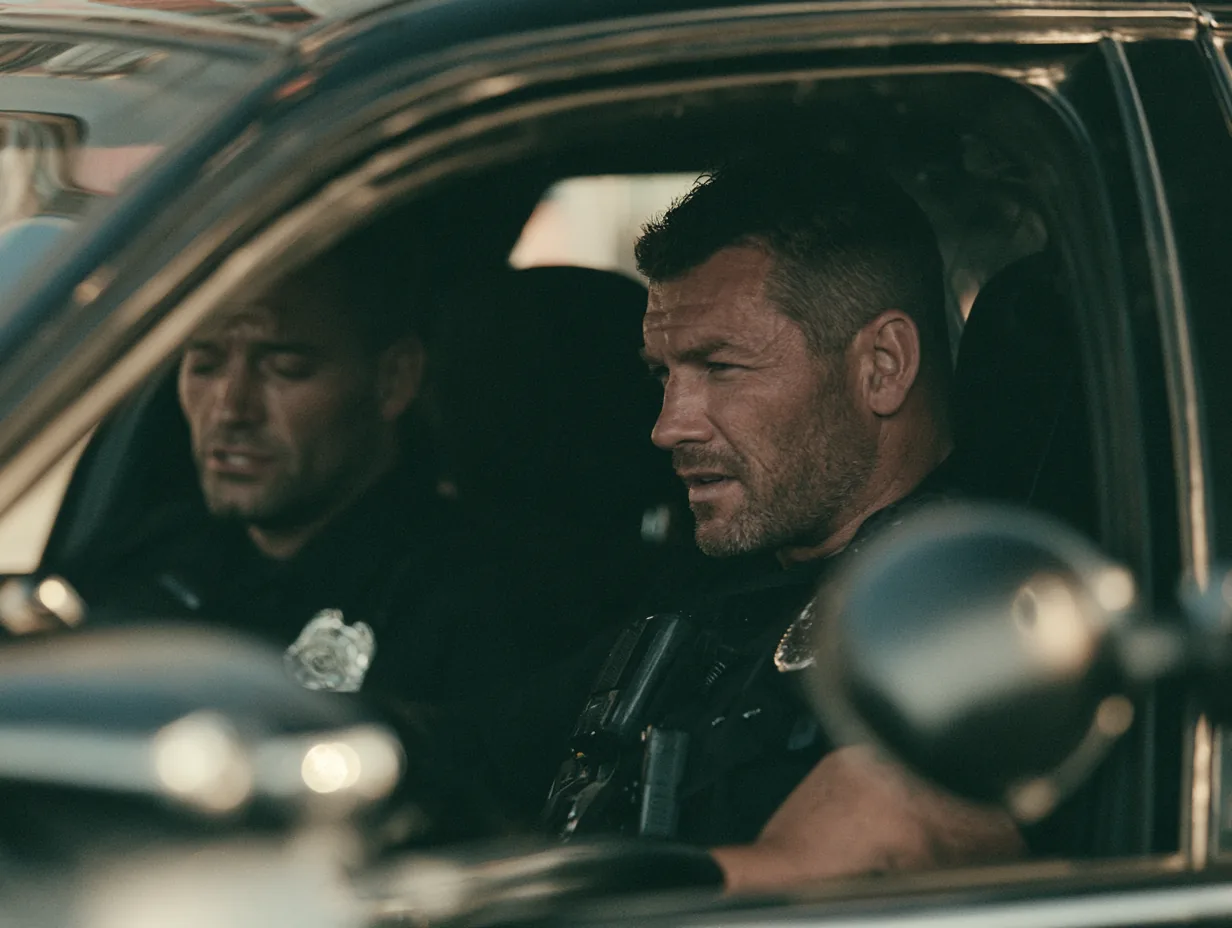
Cops can smell consulting. They trust their own.
What LEGACY does
We help departments put officers back into the neighborhoods, with a methodology that holds up.
LEGACY designs, trains, deploys, and measures community-centric policing units inside active departments. The methodology was built inside the Buffalo Police Department, refined through every administration since 2017, and proven across consent decree environments, election cycles, and the daily test of city blocks that did not always want their police there. The people who deliver it are still working coppers.
Three engagements, sized to your political and budget conditions
01
Pilot
A two-week, single-neighborhood deployment. The fastest way to test the methodology in your city. Sized to fit common state public safety grants.
02
Program build
End-to-end stand-up of a permanent community-centric unit, from officer selection through community survey instruments.
03
Training and advisory
Ongoing leadership development, sergeant mentorship, and FTO services for departments that have the unit and need to keep it sharp.
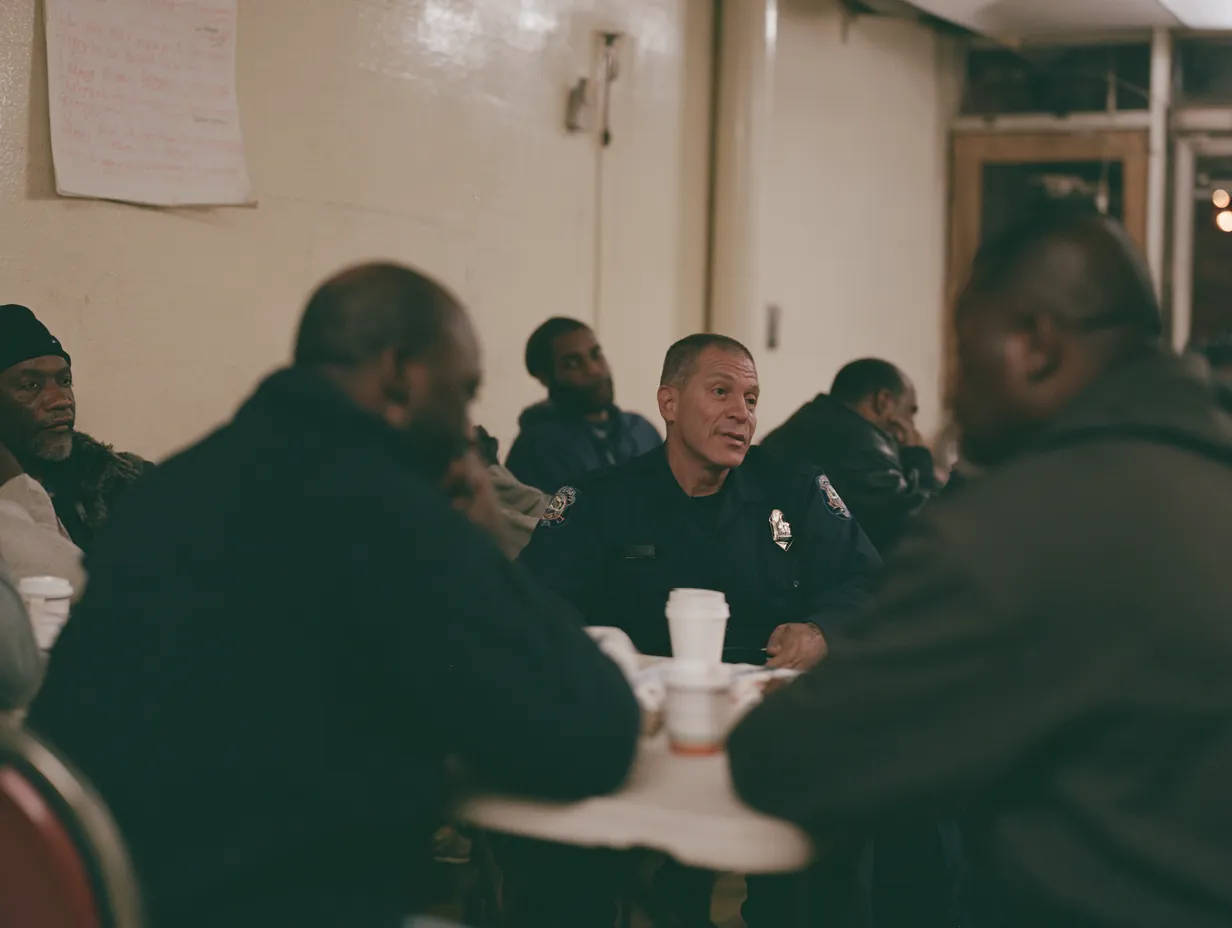
A deployable system, not a slide deck
LEGACY methodology takes a department from car-centric, call-driven response to neighborhood-anchored, relationship-driven presence.
The mechanics are simple to describe and hard to do well. We do them well because we built them on the street.
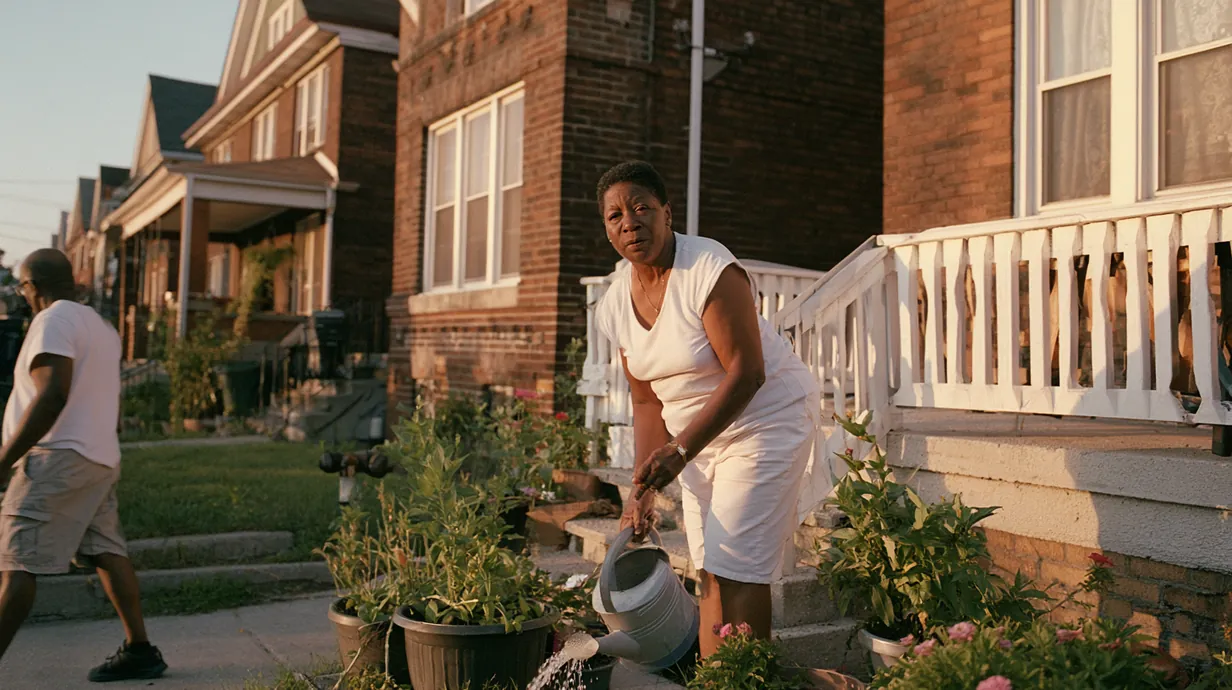
Where the methodology comes from
LEGACY was built inside the Buffalo Police Department by officers who were doing the job. The work began before any of this had a name, before “community policing” became shorthand for a hundred different things, and before the political conditions of the last decade made the need obvious. It survived three federal administrations, the summer of 2020, a consent decree environment, and the daily test of Buffalo neighborhoods that did not always want their police there.
It was not commissioned. It was not granted. It was built because the people doing the work decided the existing model wasn’t producing the outcomes they had signed up for. Buffalo’s leadership recognized the idea, gave it cover, and let it grow inside an active department over nearly a decade.
In the middle of the 2020 riots, we had a lovely day with our citizens. That’s when we knew something had changed.
What we do not do
Our work is the relationship layer.
We do not write use-of-force policy. We do not run investigations. We do not advise on tactical or specialized unit work. We do not consult on city ordinance enforcement or revenue generation. There are firms that do those things. We are not them.
Our work is the relationship layer, the part of policing that has been hollowed out and is the hardest to rebuild. We stay in our lane because the lane is wide enough.
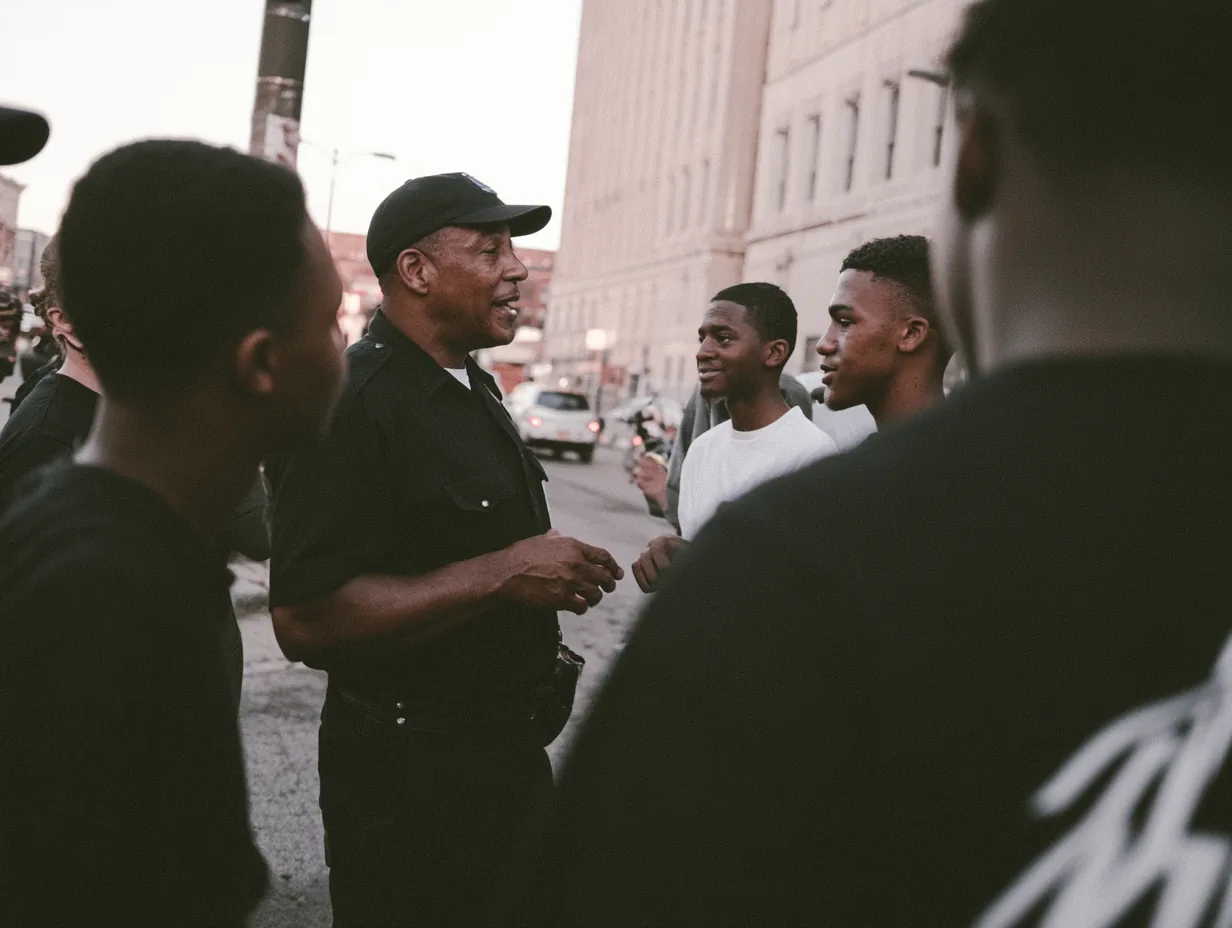
The Pilot Program
Two weeks. One neighborhood. A result you can show.
The LEGACY pilot is the fastest, lowest-friction way to put community-centric policing on the ground in your city, and to come out the other side with hard data, defensible press, and a unit that has done the work.
Why a pilot, and not a full engagement
Most departments don’t have the appetite, the budget cycle, or the political cover to commission a multi-month program build cold. They need to know it works. They need to show their council, their union, and their community that it works. They need a result before they need a contract. A pilot delivers all of that without a long procurement timeline.
The LEGACY pilot is engineered to fit a $20,000 line item, a two-week calendar, and a single neighborhood. It is designed to be fundable through New York State public safety grants and equivalent state-level mechanisms in other jurisdictions.
01
Pre-engagement
Surveys are drafted, union leadership is briefed, and the target neighborhood is scoped against the LEGACY criteria matrix. No officer is asked to do anything until the groundwork is in place.
02
Week 1: Setup and training
Day 1 confirms the target district with department leadership. Day 2 trains the assigned community policing officers and their sergeant. Day 3 launches the public-facing PR campaign, town hall briefing, press release, social media packet, trusted community advisor outreach, and survey printing. Day 4 begins the sergeant walk-along.
03
Week 2: Boots on ground
Three full days of paid foot patrol, two LEGACY members alongside two CPOs each day, rotating across the squad. Before-and-after community surveys are administered in the district, followed by after-action review with command staff.
What you walk away with
A defensible result your department can show council, community, and press.
Quantitative before/after community sentiment data for the target district.
A trained CPO squad and sergeant who have done the work, not just heard about it.
Documented positive press coverage and a social media archive.
A debrief deck suitable for council, community board, or union presentation.
An honest assessment of whether your department is ready for a full program build, and what would have to be true for it to succeed.
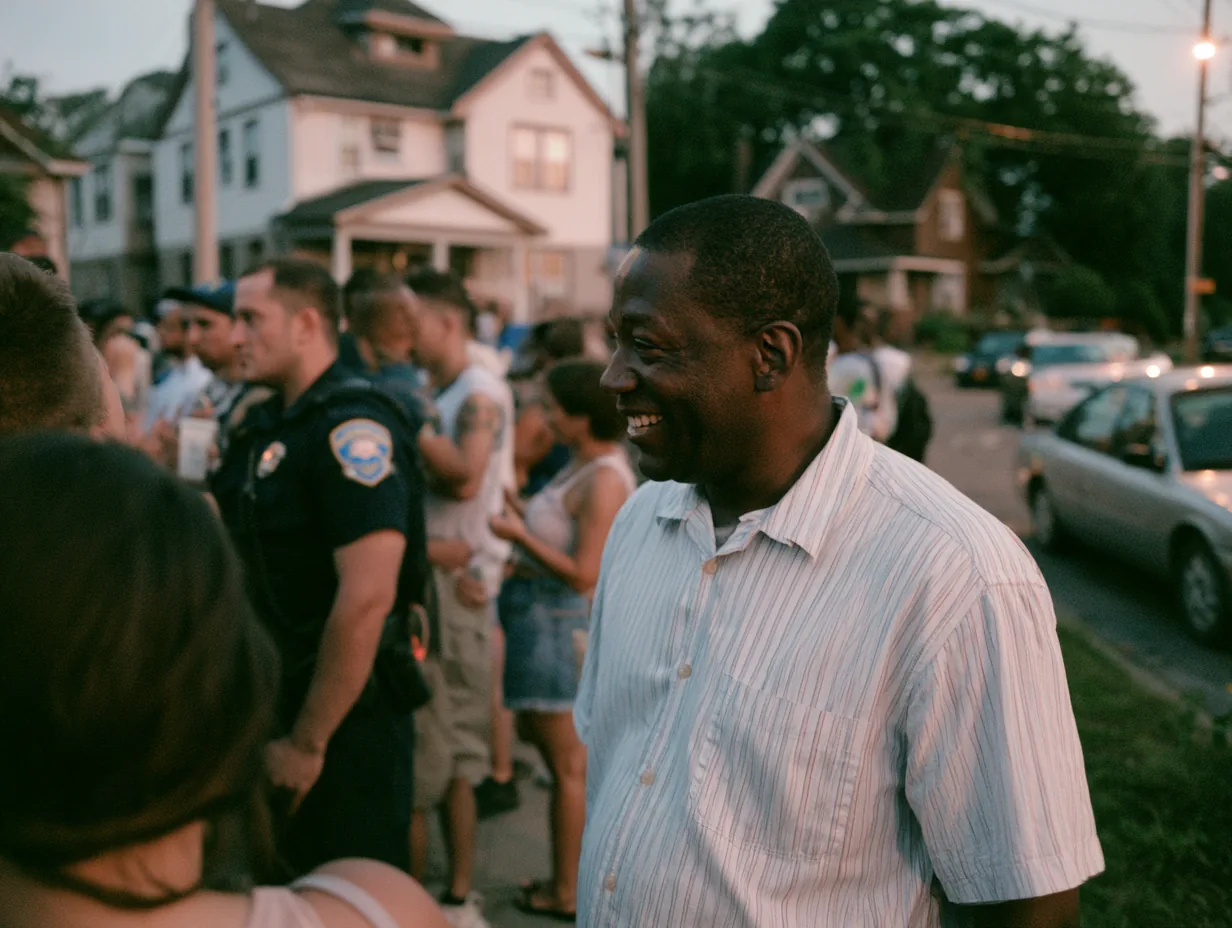
How do I pay for this?
The $20,000 pilot is sized intentionally. It fits inside common state public safety grant categories and most discretionary line items available to a Mayor’s office or Chief’s office without council approval.
As one example: the New York State Division of Criminal Justice Services administers grants under the Gun Involved Violence Elimination program and the Local Law Enforcement Block Grant program that have funded comparable community engagement work. Equivalent vehicles exist in most states.
If your department is interested but unsure on funding, our first conversation includes a grant pathway review at no cost. We’ve done this enough times to know where the money lives.
Inquire about a pilot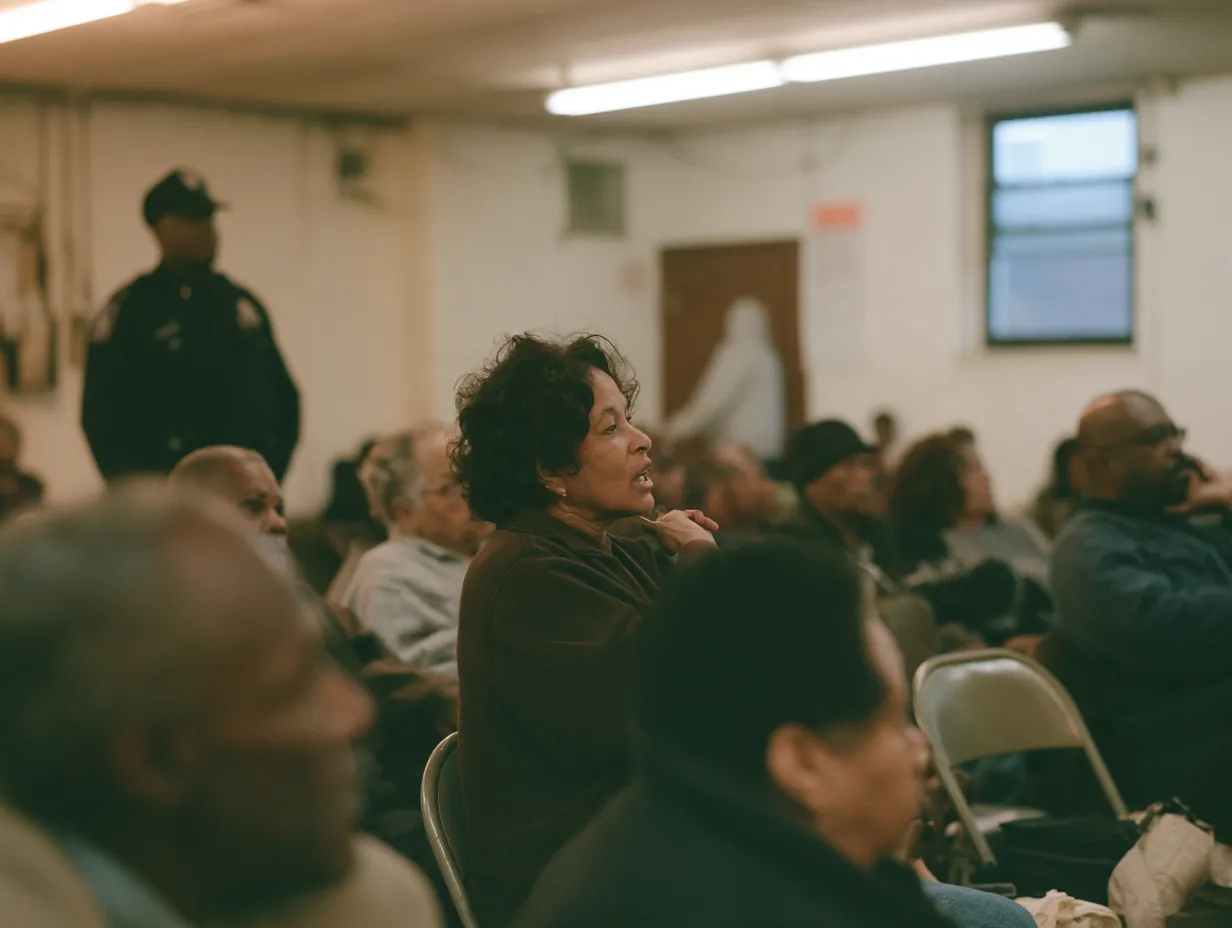
Why LEGACY
Delivered by people still doing it.
There is no shortage of police consultants. Most have not worn a uniform in fifteen years, and the ones who have are usually selling tactical training. LEGACY is different on both counts, and the difference is structural.
Practitioner-led
The people you will train with, build with, and brief alongside are still on the job. They were on shift during Ferguson. They were on shift during the summer of 2020. They were on shift the day ICE became the headline. They have lived every administration of the last decade as working officers, not as commentators.
This matters because community-centric policing is a craft, and a craft erodes the moment the people teaching it stop practicing it. We do not have that problem.
Built from the inside, not imposed from outside
The LEGACY methodology was not handed down from a federal monitor, an academic department, or a reform commission. It was built inside the Buffalo Police Department by officers who were tired of doing the job in a way that wasn’t working, with the cover and encouragement of leadership who recognized the idea before anyone else did.
That origin story is the reason the methodology survives contact with rank-and-file officers. It is also the reason it survives contact with skeptical community groups. Both audiences can tell when something has been built for them rather than imposed on them.
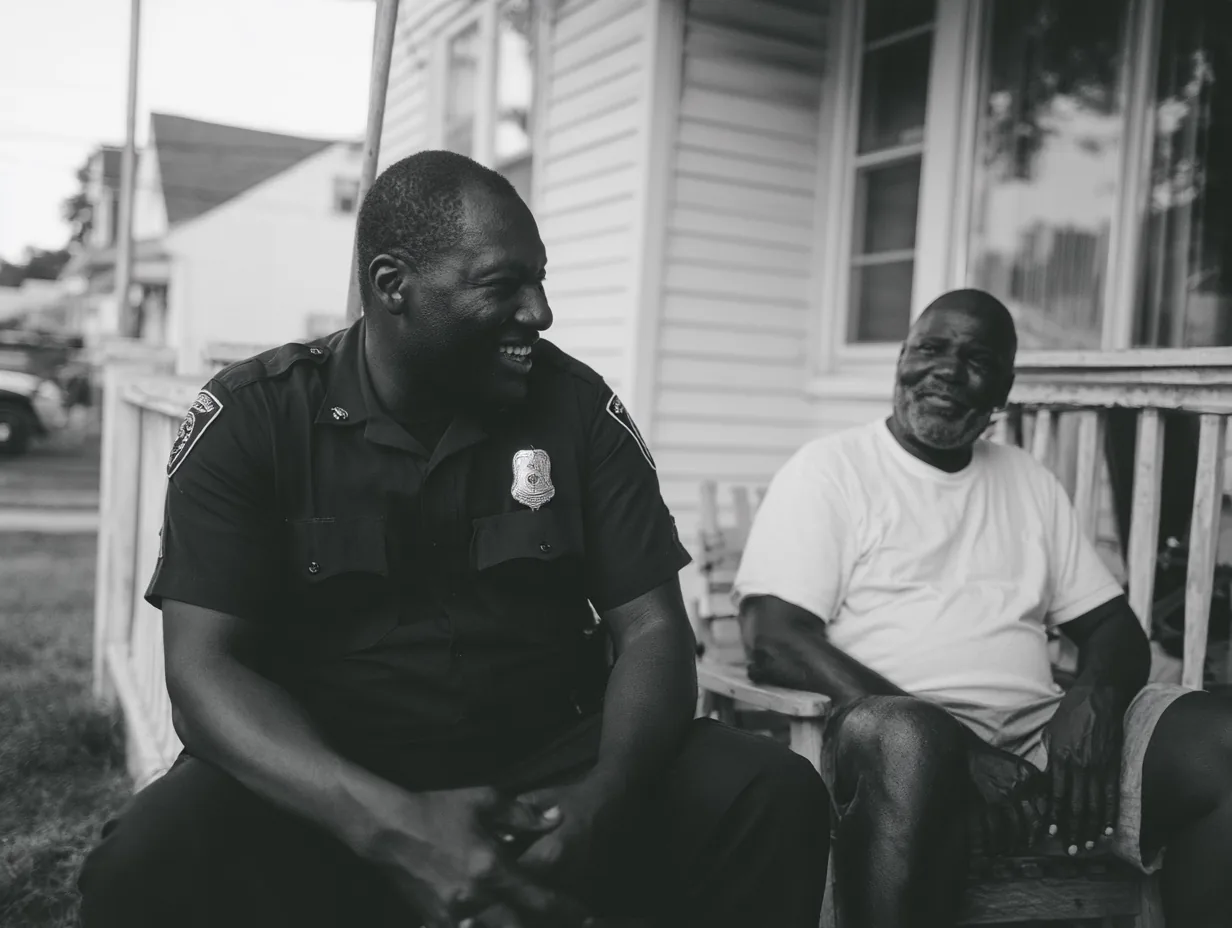
Service-Disabled Veteran-Owned
LEGACY is a Service-Disabled Veteran-Owned Small Business. For municipalities and state agencies with set-aside procurement preferences, this matters. For everyone else, it is one more data point in the same direction: this is a firm built by people who have served, in more than one form, and who take the work seriously.
What we will not do
We will not work with departments that want a revenue-generating unit. We will not deploy survey instruments to justify a predetermined conclusion. We will not consult on city ordinance enforcement or strike-force work. We will not turn a community engagement program into a procedural exercise designed to fail.
Mid-sized urban and dense-suburban departments with walkable neighborhoods are our market. Rural and bedroom-community departments are not. We say so publicly because the work doesn’t survive a bad fit, and a bad fit is worse than no engagement at all.
Leadership
The people who built the methodology.
Otwell and Shea founded LEGACY to train other police departments to achieve what the Buffalo Police Department’s Foot Patrol Interactive Unit accomplished in the City of Buffalo.
Andrew Shea
Principal · Buffalo, NY
Lieutenant Andrew Shea has twenty years of police experience across patrol operations, officer training, community engagement, and command leadership. Before becoming a police officer, he earned a degree in international relations, which led to work in Doha, Qatar and cross-border fraud investigations in El Salvador.
That work required constant contact with residents, business owners, community organizations, religious groups, municipal representatives, and public safety personnel. Training new officers to work with those stakeholders translated directly into a more deliberate structure: placing officers in front of residents, gathering meaningful feedback, and using that information to improve how patrol resources and engagement strategies are deployed.
James Otwell
Principal · Buffalo, NY
Lieutenant James Otwell spent eight years on patrol before developing community-engagement surveying methods in partnership with SUNY University at Buffalo and co-founding the Foot Patrol Interactive Unit, which earned him two Mayor’s Medals for its positive impact on the City of Buffalo.
A U.S. Army combat-disabled veteran, Otwell was the Battalion-level Civil Affairs Team NCO for the Dhi Qar Province of Iraq, where he earned multiple Army Commendation Medals and Army Achievement Medals. Today he commands a patrol platoon and serves as a police diver conducting underwater operations. His accolades in police service include the Presidential Award of Merit (2026).
Contact
Tell us about your department.
Whether you’re considering a pilot, evaluating a full program build, or trying to figure out whether the methodology fits your city, write us. The first conversation is exploratory, no obligation, and useful even if you don’t engage.
What happens next
01
A LEGACY principal responds within two business days, by email or phone, your preference.
02
The first call is 30 minutes. We ask about your department, your political conditions, and the neighborhoods you're thinking about. You ask whatever you need to ask.
03
If there's a fit, we follow up with a written scope of work and a grant pathway review at no cost. If there isn't a fit, we tell you so directly and recommend who else might be useful.